Understanding your traffic sources is crucial for optimizing your strategy and driving growth. Among various types of web traffic, direct traffic stands out as a key indicator of brand strength and user loyalty. But what exactly is direct website traffic, and why is it so important?
In this detailed article, I’ll explore direct traffic, covering its definition, characteristics, and connection with SEO. You’ll learn how to measure it accurately using tools like Google Analytics 4 and web server logs. Discover effective strategies to boost it, from strengthening your brand and content marketing to leveraging offline and digital marketing techniques. I’ll also emphasize the critical importance of direct traffic in your overall digital marketing strategy, highlighting its role in building user loyalty, improving SEO performance, and providing valuable audience insights.
Table of Contents
Definition and characteristics
Direct website traffic includes visitors who reach your site by directly entering the URL into their web browser, using a bookmark, or clicking on an untracked link. This type of traffic stands out because it doesn’t come from known sources like search engines, social media, or other websites. Instead, it represents a direct interaction between the user and the site.
Main characteristics:
- URL entry: Users manually type your website’s URL into their browser’s address bar. This shows they know your URL by heart, indicating high familiarity and intent.
- Bookmarks: Visitors save your website URL as a bookmark in their browser and use it to return to your site. This suggests strong user interest and recurring visits.
- Untracked links: Traffic comes from links not tagged or tracked through standard web analytics. Examples include links in PDFs, Word documents, or certain types of emails that don’t carry referral information.
- Mobile apps: Users click on a link within a mobile application that opens your website directly in the browser without passing referrer data.
- Offline campaigns: Visits generated from offline marketing efforts like print ads, TV or radio ads, brochures, business cards, and other physical media. When users see a URL in these materials and visit the site directly, it counts as direct traffic.
How does it differ from other traffic sources?
- Organic traffic: Refers to users who find your website through search engines.
- Referral traffic: Includes users who click on a link from another website.
- Social traffic: Comes from users who click on links shared on social media platforms.
- Paid traffic: Refers to users who click on paid advertisements.
Implications of direct traffic
Direct traffic is a strong indicator of brand recognition and loyalty. It shows that users know your brand well enough to visit your website intentionally without needing external prompts. This type of traffic often leads to higher engagement and conversion rates since these visitors usually have a clear intent or interest in your content or offerings.
Misattributions in direct traffic
Direct traffic can sometimes be overreported due to misattributions. This can happen if:
- Tracking parameters (UTM tags) are missing or incorrectly set up in links.
- Browser privacy settings or extensions block referrer information.
- Users come from secure (HTTPS) sites to non-secure (HTTP) sites, leading to a loss of referral data.
In these cases, visitors from other sources might incorrectly appear as direct traffic, skewing the data. Therefore, web analysts must consider these potential inaccuracies when evaluating direct traffic metrics.
By understanding these nuances, you can better interpret your direct traffic data and implement strategies to nurture and grow this valuable audience segment.
Connection with SEO
Direct website traffic and SEO are closely intertwined. While direct traffic isn’t a direct result of search engine activity, it can significantly influence and be influenced by SEO efforts. Here’s how direct traffic and SEO connect.
Impact on SEO
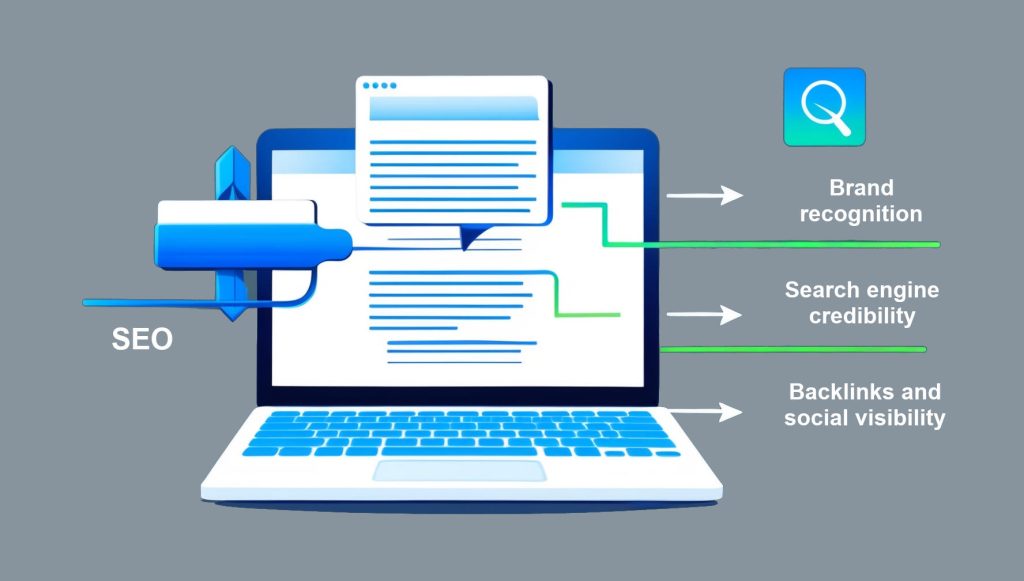
Brand recognition and authority
- High direct traffic as a signal: When a website consistently receives high direct traffic, it indicates to search engines like Bing that the website is trusted and well-known. This can boost the site’s domain authority.
- Brand searches: Users searching for a brand name directly on search engines and then visiting the site contribute to brand authority, a significant SEO factor.
User engagement metrics
- Lower bounce rates: Direct visitors often have a clear intent, leading to lower bounce rates, higher page views per session, and longer average session durations. These positive engagement metrics can improve SEO rankings.
- Return visits: A high volume of return visits indicates valuable content and user satisfaction, which search engines may reward with better rankings.
Search engine credibility
- Trust and reliability: High levels of direct traffic can reflect trust and reliability, which search engines consider when ranking sites. A trusted brand will likely have more backlinks and positive reviews, further enhancing SEO.
SEO strategies to increase direct traffic
Keyword optimization
- Targeted keywords: Optimizing for both branded and non-branded keywords that are relevant to your business helps users find you easily through search engines. This can turn organic traffic into direct traffic over time.
Content quality
- High-quality content: Creating valuable, informative, and engaging content encourages users to bookmark your site or remember the URL, leading to repeat direct visits.
- Content updates: Regularly updating your content keeps it fresh and relevant, encouraging users to return directly.
User experience
- Website performance: Fast loading times and a seamless user experience contribute to higher user satisfaction, increasing the likelihood of direct traffic.
- Mobile optimization: Ensuring your site is mobile-friendly captures direct traffic from mobile users who find it easy to revisit your site.
Benefits of direct traffic for SEO
Enhanced brand signals
- Increased brand searches: Users explicitly searching for your brand signal strong brand authority and recognition to search engines.
- Brand mentions: Direct traffic often results from offline marketing efforts and brand mentions, contributing to brand awareness and credibility.
Improved engagement metrics
- Lower bounce rates: Direct visitors tend to engage more deeply with the site, reducing bounce rates and positively impacting SEO.
- Higher dwell time: Longer session durations and more pages per visit indicate a positive user experience, which improves SEO rankings.
Increased backlinks and social shares
- Natural backlinks: High direct traffic often correlates with more natural backlinks from users who find the content valuable and shareable.
- Social media engagement: Engaged direct visitors are more likely to share content on social media, enhancing SEO through increased visibility and potential backlinks.
Challenges and considerations
Attribution issues
- Misattribution: Direct traffic might be overreported due to misattributions where referral data is lost or not tracked correctly, skewing SEO analysis and strategies.
- Referrer data: Accurate tracking of referrer data is crucial to differentiate between true direct traffic and traffic incorrectly labeled as direct.
Balancing efforts
- Focus on both SEO and direct traffic: While SEO efforts can lead to increased direct traffic, it’s essential to balance focus on both areas. Direct traffic growth should complement, not replace, ongoing SEO activities.
Case studies and examples
1. Amazon
Amazon, one of the world’s largest e-commerce platforms, is a prime example of how direct traffic and SEO work in synergy.
Direct traffic strategies
- Brand recognition: Amazon’s extensive brand recognition leads to high direct traffic. Due to the strong brand presence, many users type “amazon.com” directly into their browsers.
- Bookmarking: Frequent users of Amazon often bookmark the site, leading to repeated direct visits.
SEO integration
- High-quality product pages: Amazon’s product pages are optimized for search engines, with detailed descriptions, user reviews, and relevant keywords that attract organic traffic.
- User engagement: High levels of user engagement from direct traffic contribute to low bounce rates and high session durations, positively influencing SEO.
- Content and reviews: The user-generated content (reviews, ratings) enhances SEO by providing fresh, relevant content that search engines favor.
Results
- High rankings: Amazon consistently ranks high on search engine results pages (SERPs) for many keywords due to its strong brand presence and high direct traffic.
- Conversion rates: Direct traffic to Amazon shows high conversion rates, indicating strong user intent and satisfaction.
2. Nike
Nike, a leading global sportswear brand, leverages both direct traffic and SEO to maintain its market position.
Direct traffic strategies
- Offline campaigns: Nike invests heavily in offline marketing campaigns, including TV commercials, print ads, and event sponsorships, which drive direct traffic to their website.
- Brand loyalty: Strong brand loyalty results in users typing “nike.com” directly or using bookmarks to visit the site.
SEO integration
- Content marketing: Nike’s blog and content marketing efforts include SEO-optimized articles, videos, and social media posts that attract organic traffic.
- Technical SEO: Nike’s website is optimized for performance, including fast loading times and mobile responsiveness, enhancing user experience and SEO rankings.
- Product pages: Each product page is SEO-optimized with high-quality images, detailed descriptions, and user reviews.
Results
- Increased direct traffic: High levels of direct traffic from loyal customers and offline marketing efforts.
- Enhanced search rankings: Nike’s SEO efforts ensure top rankings for branded keywords and many non-branded keywords related to sports and fitness.
- Engagement and retention: High rates of user engagement and retention due to the seamless integration of direct and organic traffic strategies.
3. HubSpot
HubSpot, a leading marketing and sales platform, demonstrates the effectiveness of combining direct traffic with SEO.
Direct traffic strategies
- Educational content: HubSpot’s comprehensive educational resources, including blogs, ebooks, and webinars, encourage users to return directly for valuable content.
- Brand authority: HubSpot’s reputation as a thought leader in marketing and sales technology drives significant direct traffic.
SEO integration
- Keyword optimization: HubSpot’s content is meticulously optimized for relevant keywords, attracting organic traffic that converts into direct visits.
- Content quality: High-quality, valuable content keeps users engaged, helping lower bounce rates and increase time on site.
- Technical excellence: HubSpot’s website is optimized for speed, mobile-friendliness, and usability, enhancing both SEO and user experience.
Results
- SEO success: HubSpot ranks highly for numerous marketing-related keywords due to its robust SEO strategies.
- Direct traffic growth: The combination of valuable content and brand authority steadily increases direct traffic.
- Conversion optimization: Direct traffic tends to convert at higher rates, supporting HubSpot’s lead generation and sales efforts.
4. Tesla
Tesla, an innovative leader in electric vehicles, leverages direct traffic and SEO to maintain a strong digital presence.
Direct traffic strategies
- Brand enthusiasm: Tesla’s strong brand loyalty and innovative reputation lead to significant direct traffic, with users frequently visiting “tesla.com”.
- Offline buzz: Tesla’s offline marketing, media coverage, and word-of-mouth generate interest that translates into direct traffic.
SEO integration
- Product pages: SEO-optimized product pages with detailed specifications, images, and user reviews attract both organic and direct traffic.
- Engaging content: Tesla’s blog and news updates provide engaging content that directly draws users back to the site.
- Technical SEO: The website is optimized for performance, mobile use, and security, enhancing SEO rankings.
Results
- High organic and direct traffic: Tesla benefits from both high organic search rankings and strong direct traffic.
- User engagement: High levels of user engagement and low bounce rates from direct traffic positively impact SEO.
- Brand dominance: Tesla’s combined SEO and direct traffic strategies support its dominant position in the electric vehicle market.
These case studies show how top brands use the synergy between direct traffic and SEO to achieve impressive digital marketing results. These companies attract, engage, and retain visitors by combining strong brand recognition, high-quality content, and technical SEO. This strategy drives both direct and organic traffic to their websites. This integrated approach enhances user experience, boosts search engine rankings, and supports business growth and success.
Direct website traffic and SEO complement each other. High direct traffic improves SEO through better user engagement metrics and strong brand signals. Effective SEO strategies can convert organic visitors into loyal, direct traffic. Balancing efforts in both areas leads to a comprehensive and effective digital marketing strategy.
How to measure direct traffic
Measuring direct traffic is crucial for understanding your branding and offline marketing effectiveness. Here are the key tools, metrics, and methods for accurately tracking and analyzing direct traffic.
Tools for measuring direct traffic
Google Analytics 4
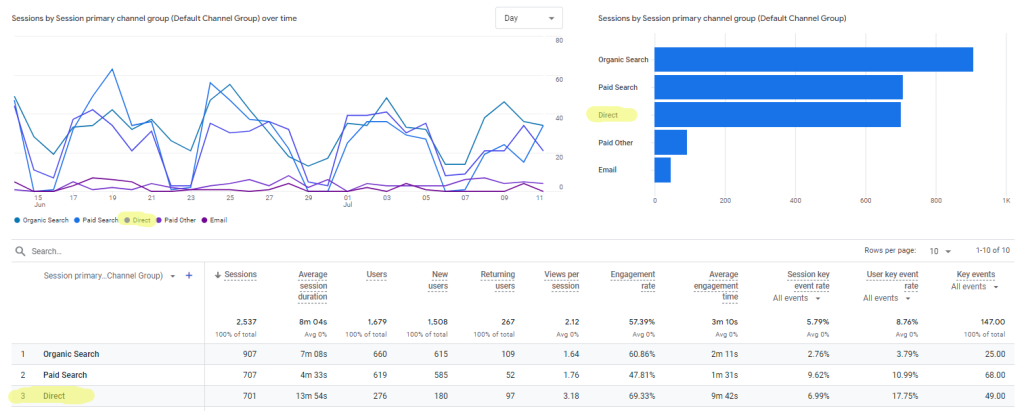
GA4 is the most widely used tool for measuring direct traffic. It provides detailed insights into the number of direct visits, user behavior, and how direct traffic compares to other sources. To find this data, navigate to:
“Reports” > “Life cycle” > “Acquisition” > “Traffic acquisition: Session default channel group” or “User acquisition: First user default channel group”. Here, you can see “Direct” as one of the channels.
Web server logs
Analyzing web server logs can provide additional insights into direct website traffic. These logs capture every request sent to the server, including the IP address, timestamp, request method, URL, and user agent. Use tools like AWStats or Webalizer to process and visualize web server logs.
Marketing automation platforms
Platforms like HubSpot, Marketo, and Salesforce can also track direct traffic, especially when integrated with Google Analytics. Create and use tracking URLs to differentiate between direct traffic and other sources more accurately.
Metrics for measuring direct traffic
- Number of visits: Track the total number of direct visits over a specific period. Perform a trend analysis to monitor changes in the volume of direct traffic over time and identify patterns or the impact of marketing campaigns.
- Bounce rate: Measure the percentage of direct visitors who leave the website after checking out only one page. A lower bounce rate indicates higher engagement from direct visitors.
- Average session duration: Calculate the average time direct visitors spend on the site. Longer session durations suggest that direct visitors find the content valuable.
- Pages/views per session: Track the average number of pages viewed per session by direct visitors. More pages per session indicate higher content consumption and engagement.
- New vs. returning visitors: Measure the proportion of new direct visitors compared to returning ones. A high percentage of returning visitors signifies strong brand loyalty and effective retention strategies.
- Conversion rates: Track the percentage of direct visitors who complete desired actions – for example, filling out a short form, subscribing to an email newsletter, or buying a product or service. High conversion rates from direct website traffic indicate strong user intent and trust in the brand.
Methods to measure and analyze direct traffic
Measuring and analyzing direct traffic involves several effective methods to ensure accurate insights into user behavior and campaign effectiveness.
- UTM parameters: Utilize UTM parameters to tag URLs in marketing campaigns. While primarily used for tracking other traffic sources, correct implementation reduces the misattribution of direct traffic.
- Google Analytics 4 segments: In Google Analytics 4, create segments to isolate and analyze direct traffic independently from other sources. Custom segments allow deeper exploration of specific user behaviors and characteristics among direct visitors.
- Landing page analysis: Examine landing pages that attract the most direct traffic to understand popular content or sections of your website. This analysis identifies pages that effectively retain and engage direct visitors.
- Multi-channel attribution models: Use multi-channel attribution models to evaluate the role of direct traffic in the customer journey and its interaction with other traffic sources. Analyze user paths leading to conversions to assess the impact of direct traffic.
- Heatmaps and session recordings: Tools like Hotjar provide heatmaps and session recordings, revealing how direct visitors interact with your site. These insights highlight user behavior patterns, areas of interest, and opportunities to enhance user experience based on direct traffic interactions.
Measuring direct traffic requires a strategic blend of tools, metrics, and methods to capture and analyze user behavior accurately. Leveraging tools such as Google Analytics and web server logs and focusing on key metrics like bounce rate, session duration, and conversion rates provides valuable insights into the effectiveness of direct traffic and overall digital marketing strategies. This comprehensive analysis supports optimizing user experience, enhancing engagement, and driving business growth effectively.
5 strategies to improve direct traffic
Improving direct website traffic requires a strategic approach integrating branding, content marketing, user experience enhancements, and offline and digital marketing efforts. Here are detailed strategies to help increase direct traffic:
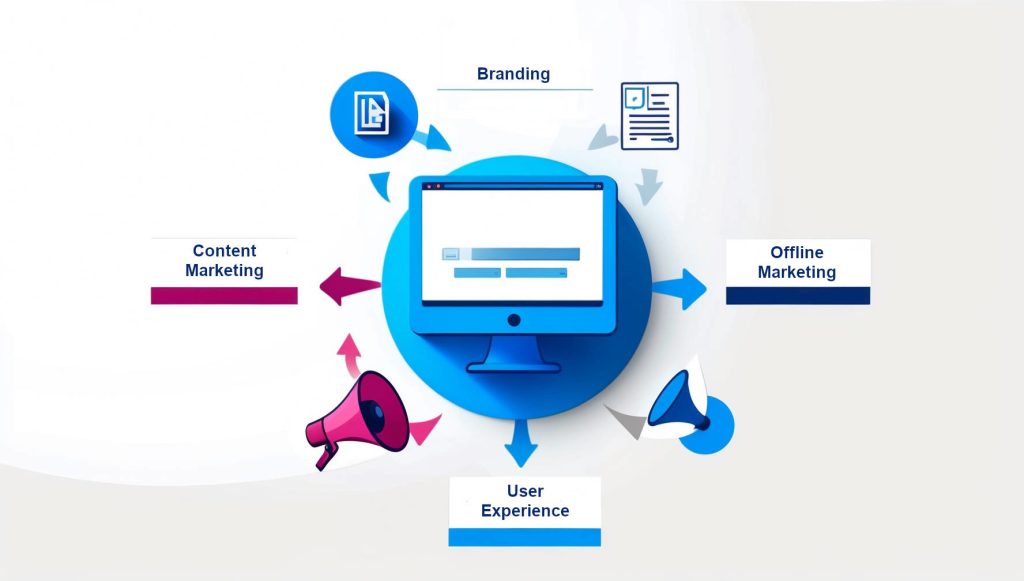
#1. Branding
A robust brand presence is essential for driving direct traffic. Implement the following strategies:
- Invest in brand awareness campaigns: Launch comprehensive online and offline campaigns to establish and sustain brand awareness. Utilize social media marketing, collaborate with influencers, and employ traditional advertising channels such as TV, radio, and print media.
- Consistent branding: Ensure consistency in brand messaging, logo, color schemes, and design across all platforms and materials. This reinforces brand recognition and facilitates easy recall, encouraging users to visit your site directly.
- Unique value proposition: Clearly articulate what distinguishes your brand from competitors. Highlight unique features, benefits, and values that resonate with your target audience, motivating them to seek out your website directly.
- Engage with your audience: Actively engage with your audience on social media platforms. Respond to comments, initiate interactive campaigns, and cultivate a community around your brand. This fosters loyalty and encourages direct visits to your site.
#2. Content marketing
High-quality content can drive direct traffic by encouraging repeat visits and bookmarking:
- Create valuable content: Develop informative, engaging, and relevant content. For instance, blog posts, videos, infographics, and case studies tailored to your audience’s interests.
- Regular updates: Keep your web content fresh with regular updates and new posts to prompt users to return for the latest information.
- Email newsletters: Send personalized newsletters featuring links to new content, encouraging subscribers to visit your site directly.
- Content hubs: Establish content hubs or resource centers where users can find comprehensive information on specific topics, positioning your site as a go-to source for valuable insights.
#3. User experience
Enhancing website usability contributes to increased direct traffic:
- Website performance: Ensure fast loading times and optimal performance across all devices to provide a seamless user experience.
- Intuitive navigation: Design user-friendly navigation to help visitors find information quickly and easily, encouraging return visits.
- Mobile optimization: Prioritize a mobile-friendly design that adapts well to different screen sizes.
- Personalization: Implement personalized content and recommendations to enhance user satisfaction and drive direct traffic through tailored experiences.
#4. Offline marketing
Effective offline strategies can drive direct traffic:
- Promotional materials: Include your website URL on business cards, brochures, flyers, and posters for easy recall.
- Events and sponsorships: Participate in or sponsor events and conferences, promoting your website URL to attendees.
- TV and radio ads: Utilize traditional media to advertise your website with a memorable URL that encourages direct visits.
- Print ads: Place ads in magazines and newspapers featuring your website URL prominently to attract direct traffic.
#5. Digital marketing
Strategic digital initiatives complement direct traffic strategies:
- Retargeting campaigns: Have retargeting ads on social media and other platforms to remind previous visitors to revisit your site.
- Social media engagement: Use your presence on social media to encourage followers to visit your site directly through engaging content and clear CTA.
- Influencer partnerships: Partner with relevant influencers to promote your website through endorsements and links, driving direct traffic from their followers.
- Referral programs: Implement incentives where existing users refer new visitors to your site, fostering direct traffic growth.
Improving direct traffic requires a comprehensive approach across these areas. By focusing on branding, content quality, user experience, offline promotions, and digital marketing strategies, businesses can cultivate a loyal audience that frequents their website directly, leading to increased engagement and conversions.
Importance in digital marketing
Direct traffic plays a crucial role in digital marketing, serving as a robust indicator of brand strength, user loyalty, and the effectiveness of marketing strategies. Here’s a detailed exploration of why direct traffic is pivotal for digital marketing success:
Brand recognition and trust
Direct traffic reflects strong brand recognition and trust among users. When visitors consistently type your URL directly into their browsers, it signifies a high level of brand recall. This recognition stems from effective branding efforts, including cohesive messaging, quality offerings, and positive customer experiences. Building and maintaining this trust is essential in digital marketing, fostering repeat business, and cultivating long-term customer relationships.
User loyalty and engagement
Direct traffic often comprises loyal customers who visit your site repeatedly due to their affinity for your brand. These users typically demonstrate higher engagement rates by spending more time on your site, viewing more web pages, and converting at higher rates compared to other traffic sources. For digital marketers, nurturing this loyalty is critical for sustaining revenue streams and generating positive word-of-mouth referrals, further enhancing brand reputation and attracting new customers.
Cost-effectiveness
Direct traffic is generally more cost-effective than paid traffic sources. While initial investments in branding, content creation, and user experience are necessary, direct traffic reduces ongoing reliance on paid advertising. This makes it a valuable asset in digital marketing, providing a steady stream of visitors without continuous ad spend. Moreover, high direct traffic can improve organic search rankings, diminishing the need for extensive paid search campaigns.
Insight into offline marketing effectiveness
Direct traffic offers valuable insights into the effectiveness of offline marketing initiatives. Increased direct visits following offline campaigns such as TV ads, radio spots, or print advertisements indicate successful efforts to drive traffic to your site. This data enables digital marketers to assess ROI from offline campaigns and refine strategies to optimize both online and offline marketing endeavors.
Enhanced SEO performance
Direct traffic positively impacts SEO performance by enhancing key engagement metrics like bounce rate, session duration, and pages per session. Direct visitors typically exhibit favorable engagement behaviors that contribute to improved search engine rankings. Higher rankings result in increased organic traffic, creating a virtuous cycle that enhances overall digital presence and visibility.
Better audience insights
Analyzing direct traffic provides deep insights into your most loyal audience segment. Understanding their behaviors, preferences, and demographics informs targeted online and offline marketing strategies. This knowledge allows for tailored content, offers, and campaigns that resonate with your core audience, driving engagement and loyalty.
Increased conversion rates
Direct traffic often leads to higher website conversion rates as visitors arrive with positive brand perception and intent. These users are more inclined to complete desired actions such as purchases, newsletter sign-ups, or form submissions. For digital marketers, efforts to increase direct traffic directly translate into enhanced conversions and revenue opportunities.
Stability and predictability
Unlike traffic from paid campaigns or some organic sources, direct traffic tends to be stable and predictable. Paid traffic can fluctuate due to budget changes and competition, while organic traffic may vary with search engine algorithm updates. Direct traffic, however, provides a reliable baseline of visitors unaffected by external factors, crucial for strategic planning and forecasting in digital marketing.
By leveraging the insights and benefits of direct traffic, digital marketers can optimize their strategies to nurture brand loyalty, drive engagement, enhance SEO performance, and achieve sustainable business growth.
In conclusion
Direct traffic serves as a cornerstone of a successful digital marketing strategy, reflecting strong brand recognition, trust, and loyalty among your audience. By prioritizing efforts to enhance direct traffic, businesses can reap numerous benefits, including higher engagement rates, better SEO performance, and more cost-effective marketing outcomes. However, it’s essential to address the challenges that come with it, such as attribution issues and the need for consistent branding efforts.
Understanding and leveraging direct traffic not only ensures a stable and reliable stream of visitors but also provides invaluable insights into your most loyal audience segment. By integrating the above-mentioned insights and strategies into your digital marketing plan, you can utilize the full potential of direct traffic to meet business objectives and establish a resilient online presence.