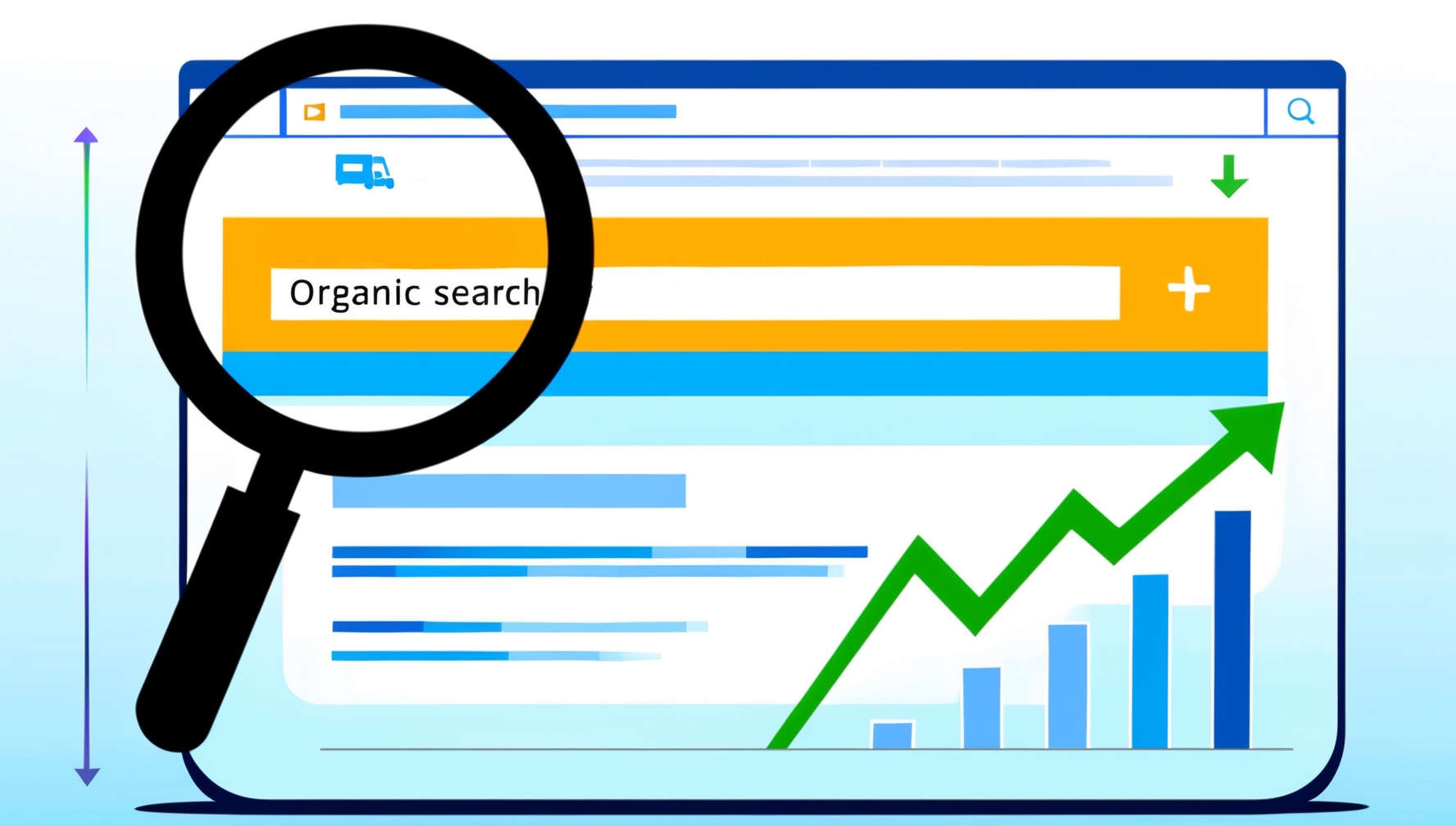
Organic search traffic serves as the bedrock for enhancing online visibility, establishing brand credibility, and fostering sustainable growth. This article explores why organic search traffic is indispensable for digital marketing strategies. It covers its long-term sustainability, cost-effectiveness compared to paid advertising, and ability to attract high-intent, quality traffic. I look into key techniques such as keyword optimization, content creation, technical SEO enhancements, and building a robust backlink profile. These efforts bolster website rankings in search engine results, cultivate trust, enhance brand visibility, and provide actionable insights for strategic decision-making.
Table of Contents
Definition and characteristics
Organic search traffic includes the visitors who find your website through unpaid search engine results. When someone enters a query on Google, Bing, or Yahoo, the search engine displays results based on relevance. Organic results appear due to their relevance, not paid advertisements.
This traffic is highly valued in digital marketing. It represents users actively seeking information, products, or services related to your site. These visitors are often more engaged and have a higher intent to convert than those from social media or referrals.
Organic search traffic is sustainable and cost-effective because you don’t pay for each visitor. However, maintaining high organic traffic requires continuous effort and adaptation as search engine algorithms update frequently to provide more relevant results.
Organic search traffic and SEO
Organic search traffic is closely tied to SEO (Search Engine Optimization), which enhances a website’s visibility in organic search results. SEO involves various strategies, such as:
- Keyword optimization – Choose and strategically place relevant keywords throughout your website’s content. This helps search engines understand your site’s purpose and relevance to user queries.
- Content quality – Create high-quality, valuable content that meets your target audience’s needs and interests. This content attracts organic traffic and encourages engagement and sharing, which boosts SEO performance.
- Technical optimization – Ensure your website has no technical issues and is well-optimized for search engine crawlers. Focus on site speed, mobile responsiveness, proper use of meta tags, and making pages easily indexable by search engines.
- Authority building – Acquire backlinks from reputable websites and build your site’s authority within its niche. Search engines view backlinks as signals of trust and authority, positively impacting search rankings.
Benefits of organic search traffic
Organic search traffic offers several significant benefits, making it a cornerstone of digital marketing strategies:
- Cost-effective – Unlike paid advertising, organic search traffic doesn’t need direct financial investment for each visitor. Once your website ranks well for relevant target keywords, it can attract consistent traffic without ongoing expenses, making it a sustainable long-term strategy.
- High-intent users – Visitors from organic search results typically have a high intent to engage or convert. They’re actively searching for specific information, products, or services, making them more likely to take desired actions such as purchasing, signing up for a newsletter, or contacting your business.
- Trust, credibility, and authority – High rankings in search results are often seen as an endorsement by search engines. Users usually trust organic listings more than paid ads, enhancing your website’s or brand’s credibility and authority.
- Continuous traffic potential – Well-executed SEO strategies can maintain or increase organic search traffic over time. This holds true even if there are fluctuations in search engine algorithms or temporary disruptions in paid advertising budgets, providing stability and predictability.
- Long-term ROI – While SEO requires ongoing effort to maintain and improve rankings, the results can compound over time. Unlike paid advertising, where traffic stops once the budget is exhausted, organic traffic continues to generate ROI in content creation, optimization, and link building.
- Brand visibility and awareness – Ranking well for relevant search queries increases brand visibility. Even if users don’t immediately convert, repeated exposure to your brand through organic search results can build awareness and influence future purchase decisions.
- Competitiveness – Outranking your competitors in organic results provides a significant competitive advantage. Websites that consistently appear at the top of SERPs for relevant keywords are more likely to attract clicks, leads, and sales compared to those relying solely on paid advertising.
Challenges in organic search traffic
While organic search traffic offers numerous benefits, businesses face several challenges when trying to improve their rankings and attract visitors through unpaid search engine results:
- Algorithm updates – Search engines regularly update their ranking algorithms to improve search result relevance and quality. These updates can significantly impact website rankings, sometimes causing fluctuations in organic traffic. Staying informed about algorithm changes and adapting SEO strategies is crucial but challenging due to the complexity and unpredictability of these updates.
- Technical complexity – SEO involves technical aspects such as website structure, speed optimization, canonical tags, mobile-friendliness, and schema markup. Technical SEO issues like crawl errors, duplicate content, or poor site performance can negatively impact search rankings and organic traffic. Addressing these technical challenges requires expertise and ongoing monitoring to ensure optimal website health.
- High competition – Many industries and niches are highly competitive regarding organic search rankings. Businesses often compete for the same keywords and search terms, making it difficult to achieve and maintain top SERP positions. Competitive industries may require extensive SEO efforts, including high-quality content creation, effective link building, and continuous optimization.
- Time and patience – Building organic search traffic is a long-term strategy that asks for a lot of patience and consistent effort. Unlike paid advertising, which can drive immediate results, SEO often takes time to yield significant outcomes. It involves gradually improving website authority, earning backlinks, and optimizing content to enhance rankings, which can be a slow and incremental process.
- Content quality and relevance – Search engines prioritize high-quality, relevant content that provides value to users. Creating and maintaining such content requires a deep understanding of the target audience’s needs and preferences. Developing a content strategy that consistently produces engaging, informative, and SEO-optimized content can be demanding and time-consuming.
- Link-building difficulty – Earning high-quality backlinks from reputable websites is essential for improving domain authority and ranking higher in search results. However, acquiring backlinks organically requires building relationships, creating valuable content, and promoting it effectively. It can be challenging to attract natural links, especially in competitive industries.
- Local and global considerations – Depending on the nature of the business, optimizing for local or global search presents unique challenges. Local SEO requires targeting specific geographical areas and optimizing for location-based keywords, citations, and Google My Business listings. Global SEO involves addressing language, cultural, and regional differences to effectively reach an international audience.
Overcoming these obstacles can lead to sustained organic search traffic growth, enhanced brand visibility, and increased conversions over time.
How to measure organic search traffic
Measuring organic search traffic is crucial for understanding SEO effectiveness and optimizing digital marketing strategies. Analytics tools like Google Analytics 4, SEMrush, and Ahrefs can provide comprehensive data and insights, helping businesses see how users find and interact with their websites through organic search.
Organic traffic reports
- Visitor metrics – These tools track and report the number of visitors arriving through organic search results. This metric shows the volume of organic traffic and helps identify trends over time.
- Traffic sources – Organic traffic reports segment visitors by traffic sources, distinguishing between organic search, direct traffic, referral traffic, and others. This segmentation helps evaluate SEO efforts’ effectiveness in driving organic search visits.
Behavior analysis
- Pages visited – Analytics tools provide data on which pages organic visitors land on and navigate through. Knowing the most visited pages highlights popular content topics or pages, effectively capturing organic search traffic.
- Time spent – Metrics like average session duration and bounce rate reveal how engaged organic visitors are. Longer sessions indicate deeper engagement, while high bounce rates suggest content or usability issues needing attention.
- Conversion rates – Tracking conversions from organic search traffic (e.g., form submissions and purchases) helps assess SEO effectiveness in driving desired actions. Conversion rate analysis identifies high-performing pages or keywords contributing to conversions.
Keyword performance
- Keyword rankings – Analytics tools track keyword positions in search engine results pages over time. Monitoring rankings helps evaluate SEO optimizations’ impact and identify opportunities to improve high-value keywords.
- Keyword traffic – Tools like SEMrush and Ahrefs provide insights into which keywords drive organic traffic. This data helps prioritize keyword optimization, identify emerging trends, and capitalize on opportunities to attract more targeted organic visitors.
Insights and actionable data
- Competitor analysis – Tools like SEMrush and Ahrefs offer competitive analysis features. They let you benchmark your organic search performance against competitors, identify competitor keywords, and uncover strategies to inform your own SEO efforts.
- Campaign tracking – Analytics tools help track SEO campaigns. They enable you to attribute changes in organic traffic to specific optimizations, content updates, or external factors. This data-driven approach refines strategies and allocates resources effectively to maximize ROI from organic search efforts.
Leveraging analytics tools to measure organic search traffic provides actionable insights into visitor behavior, content performance, keyword effectiveness, and overall SEO success. By continuously monitoring these metrics, you can optimize your SEO strategies, enhance organic visibility, attract qualified traffic, and achieve your digital marketing goals.
How to improve organic search traffic (key strategies)
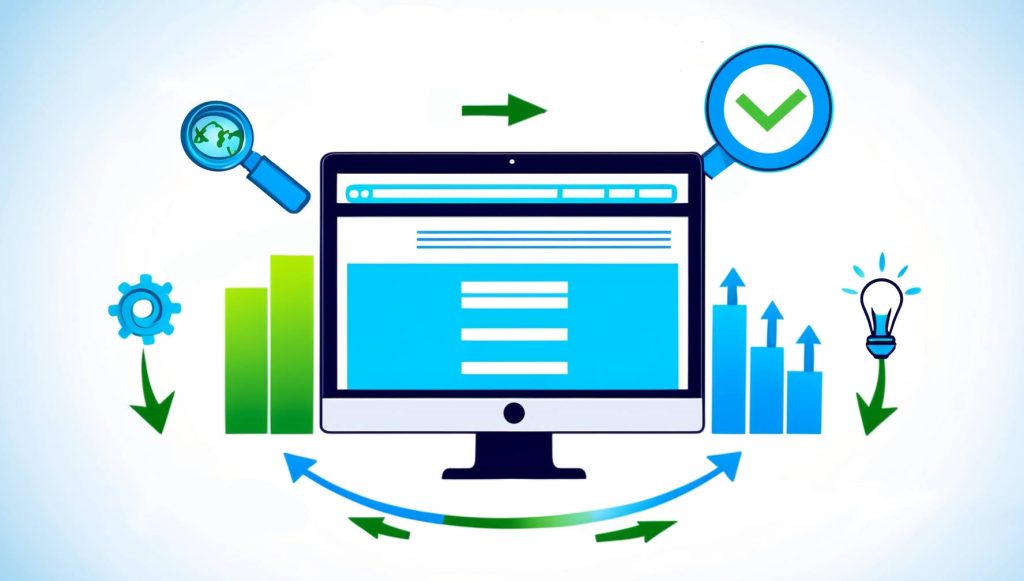
Improving organic search traffic requires a comprehensive approach with various strategies to boost your website’s visibility and relevance in search engine results. Here are key strategies to consider:
Keyword research and optimization
- Keyword research – Find relevant keywords and search queries that your target audience uses to find information, products, or services related to your business.
- Keyword optimization – Incorporate selected keywords naturally into your website content. Include them in page titles, meta descriptions, headings, and throughout the body text. Focus on long-tail keywords (more specific, less competitive phrases) as well as informational, navigational, and transactional keywords.
High-quality content creation
- Create and publish high-quality, relevant content that meets the needs and interests of your audience.
- Establish a content calendar and maintain regular content creation, including a variety of formats like blog posts, articles, guides, infographics, and videos.
- Ensure content is thoroughly researched, informative, engaging, and optimized for SEO using relevant keywords and user-centric language.
On-page SEO optimization
Optimize your website’s technical aspects to improve crawlability, indexing, and user experience:
- Meta tags – Include relevant keywords in title tags and meta descriptions, as well as in header tags (H1, H2, etc.).
- URL structure – Use clear, descriptive URLs that incorporate targeted keywords.
- Internal linking – Link-related pages and content within your website to improve its navigation and distribute link equity.
- Mobile-friendly – Make sure that your website is responsive and performs well on mobile devices.
Off-page SEO and link-building
- Earn links from various authoritative and relevant websites in your industry to build a strong backlink profile.
- Focus on natural link acquisition through strategies like content marketing, guest blogging, partnerships, and outreach campaigns.
- Use Google’s free disavow tool to get rid of any toxic or spammy backlinks that could potentially harm your site’s SEO performance.
Local SEO optimization (if applicable)
If your business has a physical location or serves specific geographic areas, optimize your website for local search queries:
- Set up and optimize your Google My Business profile with precise business details, photos, and customer reviews.
- Incorporate local keywords into your content, meta tags, and anchor text to enhance local relevance.
- Build citations across relevant local directories and websites, ensuring consistency with your business name, address, and phone number.
Technical SEO audit and optimization
Consistently perform technical SEO audits to pinpoint and resolve issues that may affect your site’s performance and search engine rankings:
- Review for crawl errors, broken links, duplicate content, and optimize page load speed.
- Make sure that your website has a secure HTTPS connection for data security.
- Incorporate schema markup to boost search engine visibility and enhance your content’s appearance in rich snippets.
UX optimization
Improve user experience to decrease bounce rates and boost time-on-site:
- Create intuitive navigation and a clear site structure to aid users in finding information effortlessly.
- Improve page load times and remove intrusive interstitials (pop-ups) that hinder user interaction.
- Use clear CTA to direct visitors toward conversion opportunities.
Monitor and analyze performance
- To monitor metrics related to organic search traffic, use tools such as Google Analytics 4 (GA4), Google Search Console (GSC), and SEO platforms like SEMrush and Ahrefs.
- Track keyword rankings, traffic sources, conversion rates, and user behavior to pinpoint areas for enhancement.
- Utilize data-driven insights to fine-tune your SEO strategy, refine content creation initiatives, and capitalize on emerging trends and opportunities.
By consistently implementing these tactics and adjusting them based on performance metrics and industry developments, businesses can elevate their organic search presence, draw in more relevant traffic, and ultimately stimulate conversions and revenue growth over time.
In conclusion
Organic search traffic stands as a cornerstone of effective digital marketing strategies, offering long-term sustainability, cost-effectiveness, and high-quality engagement opportunities. By focusing on SEO best practices – including keyword research, content creation, technical optimization, and link building – businesses can enhance their online visibility, credibility, and competitive edge. This not only supports multi-channel marketing efforts but also provides valuable insights for strategic decision-making, ultimately driving sustained growth in conversions and revenue over time. Organic search traffic remains a pivotal driver of success in the dynamic digital landscape, positioning businesses to thrive and evolve amidst industry changes and consumer preferences.