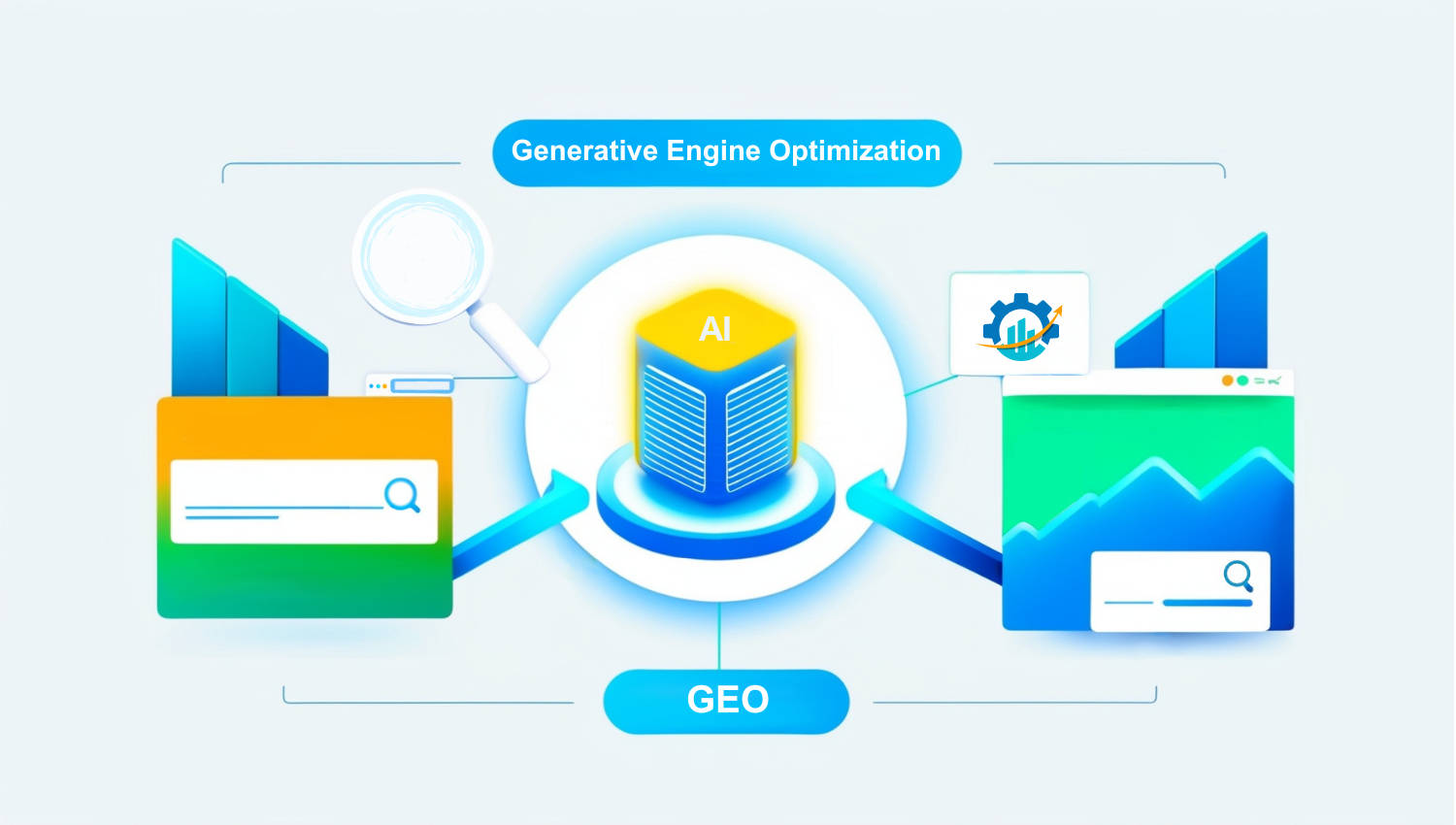
Generative Engine Optimization (GEO) is transforming how content gets discovered in AI-driven tools like ChatGPT and Gemini. Unlike traditional SEO, GEO prioritizes content designed to provide clear, concise answers that AI tools can easily process. As search behavior shifts toward conversational and AI-powered platforms, optimizing your content for GEO ensures it remains visible and relevant in this evolving landscape.
In this article, you’ll learn what GEO is, how it differs from SEO, and actionable steps to create AI-friendly content.
Table of Contents
What is Generative Engine Optimization?
Did you know that AI tools like ChatGPT are rapidly gaining popularity, with over 200 million weekly active users worldwide as of 2024? In fact, 39.4% of Americans have already used generative AI tools, and their influence on search behavior continues to grow. While traditional search engines like Google still dominate, tools like ChatGPT are starting to reshape how people seek information. This shift in user behavior is changing how content is discovered online, introducing the concept of Generative Engine Optimization.
Generative Engine Optimization is all about making your content visible and useful to AI-powered search engines like ChatGPT, Gemini, or Bing AI. Unlike traditional search engines that list links, these tools generate answers directly from content.
AI tools prioritize content that:
- Answers specific questions clearly, providing concise and comprehensive information that directly addresses user queries.
- Is conversational and context-driven, aligning with how users naturally phrase their questions.
- Is credible and trustworthy, with citations and data to back up the information.
- Uses structured formatting, like clear headings, bullet points, and FAQ sections, to make content easy to process.
For example, if someone asks an AI, “What is GEO?” the tool will favor a response from a site that explains it simply, uses real-life examples and is recognized as a trusted source. So, by optimizing your content for these factors, you increase the chances that AI tools will feature your content in their answers.
Why is this important? Because the future of content discovery is no longer limited to traditional search engines. GEO ensures your content stands out in an AI-first world.
How is GEO different from SEO?
Search engines are evolving, and so should your strategy. Traditional SEO and the new GEO serve different purposes, but both aim to maximize your content’s visibility:
- Search Engine Optimization focuses on helping your content rank higher in search engines (e.g., Bing and Google). It relies on traditional ranking factors like keywords, backlinks, and technical optimization.
- Generative Engine Optimization, on the other hand, ensures your content is relevant, readable, and usable by AI-driven tools like ChatGPT or Google Gemini. These tools prioritize conversational, context-rich content that directly answers user questions.
A quick comparison of GEO vs. SEO
| Factor | SEO | GEO |
|---|---|---|
| Purpose | Improves rankings on traditional search engines. | Ensures content is visible and usable by AI-driven tools. |
| Content strategy | Focuses on keywords, backlinks, and technical optimization. | Prioritizes conversational, context-driven content that answers user queries directly. |
| Preferred content format | Long-form content like blogs and guides. | Skimmable formats like FAQs, bullet points, and structured tables. |
| Authority and trust | Relies on backlinks and site authority. | Requires verifiable citations and updated data. |
| Schema markup usage | Uses schema for structured data like reviews and FAQs. | Leverages schema to optimize content for AI tools to process effectively. |
| Local optimization | Uses local keywords, Google Business Profile, and local backlinks. | Uses geo-targeted schema and user reviews to appear in AI local queries. |
| Search visibility | Drives traffic via SERPs (Search Engine Results Pages). | Ensures content appears in AI-generated summaries and responses. |
| User interaction | Encourages clicks for detailed information. | Provides direct answers, increasing visibility even with zero-click results. |
Here’s a practical example:
If someone types the question “Best SEO tools 2024” into Google, they might see a listicle ranking tool like SEMrush or Ahrefs. This is a classic SEO result: a detailed list designed to drive traffic to websites for further exploration.
But if the question is “What tool can I use to optimize content for generative engines?”, AI tools will likely provide a concise, conversational answer. For instance, they might explain how SEMrush supports GEO efforts, structured as an FAQ or guide. This is a GEO-optimized result, offering direct value without requiring a click-through.
Practical steps to start GEO
Now that you know why GEO matters, are you ready to optimize your content for AI-driven search tools? If so, follow these practical steps to get started:
1. Learn the basics
Start by understanding how AI tools process queries. So, experiment by asking AI tools questions in your niche to see how they summarize information. This can reveal opportunities for improvement in your content.
2. Audit and update existing content
Start with your high-performing pages and align them with GEO principles:
- Rewrite content into short, direct answers that address user queries.
- Use headings, FAQs, and bullet points to improve readability.
- Include credible citations and updated data to enhance trust.
For example, an article on “Best diets for beginners” could include FAQs like:
- “What is the easiest diet for beginners?”
- “How can I track my progress on a diet?”
3. Use AI tools for insights
Leverage tools like SEMrush or Ahrefs to identify gaps in your content and find relevant keywords for AI-based queries. Use AI tools like ChatGPT to test how your content is summarized and identify areas for improvement. Here’s a simple prompt you could use:
“I want to test how my content performs in generative AI tools for search queries. Please summarize the following content as if you were answering a user’s question in a conversational tone. Assume the user asked: ‘[Insert your target question or keyword here].’ Here’s the content: [Paste your content].”
To dig deeper into optimization, you can follow up with these refinement prompts:
- For gaps in coverage: “Is this content clear, concise, and directly answering the user’s question? If not, what details or structure can be improved?”
- For testing multiple queries: “Based on the content provided, how would you answer these questions: [question 1], [question 2], and [question 3].
- For engagement optimization: “Rewrite the summary to make it more engaging, structured, and conversational for an AI-generated answer.”
- For comparison with competitors: “How does this content compare to other generative responses for the same query? What makes it stand out, and what could improve it?”
Additionally, experiment with AI-generated drafts or meta descriptions, but always refine them for quality and tone consistency.
4. Implement schema markup
Schema markup helps AI tools understand your content’s structure. Use it to highlight:
- FAQs
- Entities
- Reviews
- Location-based content.
Beginners can start with tools like Google’s Structured Data Markup Helper to easily apply schema markup to their pages.
5. Create AI-friendly formats
AI tools love content that’s easy to digest and skimmable. Ensure your pages include:
- Clear, conversational answers
- Lists, tables, and skimmable sections
- FAQs tailored to specific user queries
For example, instead of a generic “Top SEO tools” list, structure it with headings like:
- “What are the best SEO tools for beginners?”
- “How can SEMrush support generative engine optimization?”
This format aligns with how AI pulls information for responses.
6. Monitor and improve
Stay updated on AI trends and monitor your content’s performance regularly. Use analytics to track visibility and engagement in AI-powered tools like Gemini or ChatGPT. Adjust your content as AI models evolve.
Pro tip: follow resources like Think With Google or Search Engine Journal for insights on emerging AI trends.
By taking these steps, you’ll ensure your content thrives in both traditional and AI-driven search environments, reaching your audience wherever they search.
Skills you need to master GEO
Generative Engine Optimization requires a mix of creativity, technical skills, and the ability to keep learning. Here are the essential skills you’ll need to succeed:
| Skill | Short description | Key points/activities |
|---|---|---|
| Content writing for AI | Create conversational, structured content for AI tools. | – Write direct, clear answers. – Use FAQs and bullet points. – Keep a conversational tone. |
| Research and data analysis | Use tools to identify trends and user queries to create GEO-friendly content. | – Find long-tail keywords using SEO tools. – Analyze trending topics. – Align content with user intent. |
| Basic technical skills | Optimize site and content for AI readability. | – Add schema for FAQs and reviews. – Ensure fast, mobile-friendly sites. – Use metadata effectively. |
| Building authority | Create credible content with reliable citations. | – Cite trustworthy sources. – Add updated data. – Build backlinks. |
| Staying flexible | Adjust strategies based on AI trends and updates. | – Monitor AI updates. – Test and refine content. – Experiment with new formats. |
Need a GEO content creation guide?
If you’re looking for a detailed checklist to implement Generative Engine Optimization, check out my in-depth guide: how to create GEO-friendly content.
This guide covers:
- How to structure your content for AI tools.
- Practical tips for schema markup, keywords, and formatting.
- Steps to test and refine your content for maximum visibility.
It’s the perfect resource to help you get started with actionable tasks!
In conclusion
As search behavior evolves, Generative Engine Optimization is no longer optional; it’s essential. AI tools like ChatGPT and Gemini prioritize content that is conversational, well-structured, and backed by credible sources. By optimizing your content for GEO, you ensure it remains visible and valuable even as search behavior evolves.
To succeed with GEO:
- Focus on answering user questions clearly and concisely.
- Use structured formats like FAQs, bullet points, and schema markup.
- Build trust with reliable citations and regularly updated data.
The shift toward generative AI isn’t just about technology but about meeting users where they are. With GEO, you position your content to stand out, adapt, and thrive.
FAQs
Yes! GEO and SEO are complementary. GEO ensures your content is AI-friendly, while SEO continues to drive visibility on traditional search engines like Google.
Any industry that relies on online visibility can benefit, especially e-commerce, education, healthcare, and local businesses aiming to appear in AI-driven answers.
Regular updates are critical. Refresh GEO-optimized content every 3–6 months with new data and avoid mistakes like using outdated sources or neglecting schema markup.
Use geo-targeted schema markup, structured reviews, and FAQs focused on local queries to increase visibility in AI-generated local results.
Monitor how AI tools like ChatGPT summarize your content. Track visibility metrics, user engagement, and whether your content appears in AI responses for target queries.
Absolutely! GEO-friendly content aligns with conversational queries, making it ideal for voice search optimization.
Yes! Use Google’s “People Also Ask” section for query ideas, Google’s Structured Data Markup Helper for schema, and ChatGPT to test content summaries.